Cross-Border Conservation in Practice
The Greater Yellowstone Ecosystem spans more than 20 million acres, functioning as an integrated biological unit. Because management authority is split among three state fish and game agencies, two national parks, and multiple national forests, cohesive landscape conservation planning is vital to prevent habitat fragmentation.
1. Montana Wildlife & Watersheds
In southwestern Montana, broad agricultural valleys meet high alpine wilderness. Here, our focus centers on securing migration pathways where wildlife move between mountain summer ranges and valley winter habitats:
- Highway Wildlife Crossings: Spearheading the construction of overpasses and underpasses on U.S. Highway 287 in our Madison Valley crossing project, saving thousands of elk and deer.
- River Defense: Guarding the free-flowing character of the Yellowstone and Gallatin rivers against toxic algal blooms, industrial gravel mines, and private bank armoring.
- Custer Gallatin Forest Protection: Enforcing the Roadless Area Conservation Rule across the Absaroka-Beartooth and Madison mountain ranges.
2. Wyoming Public Lands & Historic Migrations
Wyoming encompasses the southern and eastern anchors of the ecosystem, including Grand Teton National Park and the vast Bridger Teton National Forest:
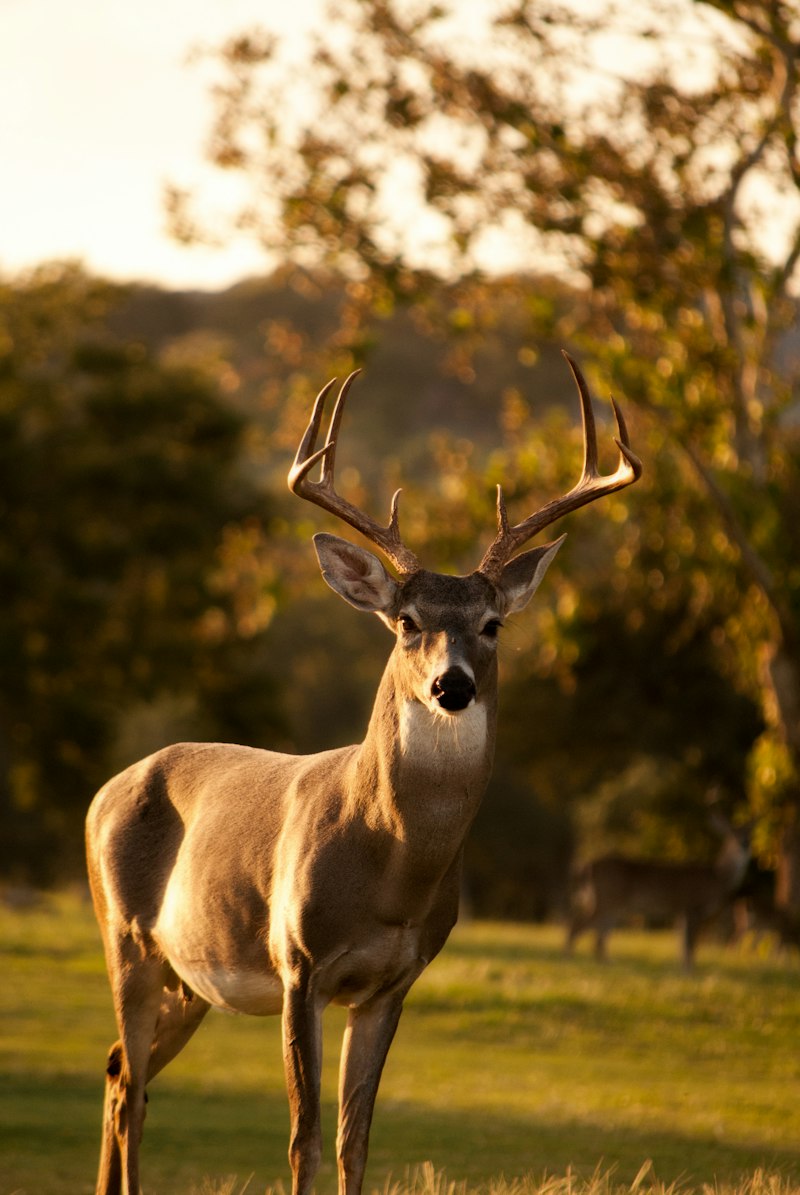
- Path of the Pronghorn & Red Desert Corridor: Protecting ancient ungulate migration routes that stretch over 150 miles between Grand Teton and the Red Desert.
- Oil & Gas Lease Retirements: Negotiating permanent retirements of industrial drilling leases across the Wyoming Range to protect critical winter range.
- Bison Co-Existence: Working with sovereign tribal councils to expand year-round habitat for wild herds through tribal bison repatriation partnerships.
3. Idaho Wildlife Habitat & Forest Connectors
Eastern Idaho forms the western frontier of Greater Yellowstone, featuring the fertile caldera of Island Park and the Caribou-Targhee National Forest:
- Centennial Mountains Chokepoint: Guarding the only east-west forested bridge linking Yellowstone grizzly bears to the wider Northern Continental Divide Ecosystem.
- Henrys Fork Cold-Water Springs: Restoring spring-fed tributaries that sustain world-renowned wild trout fisheries.
- Wintering Moose & Elk Buffers: Mitigating suburban sprawl and motorized winter recreation conflicts.
Tri-State Management Comparison Matrix
| Region | Primary Species Focus | Key Federal Lands | Priority Initiative |
|---|---|---|---|
| Montana | Elk, Grizzly Bears, Cutthroat Trout | Custer Gallatin National Forest, Madison Range | Highway 287 Wildlife Overpasses |
| Wyoming | Pronghorn, Mule Deer, Bison, Wolves | Bridger-Teton, Shoshone, Grand Teton | Migration Route Easements & Lease Retirement |
| Idaho | Grizzly Bears, Moose, Cutthroat Trout | Caribou-Targhee, Centennial Mountains | East-West Corridor Connectivity Defense |
Connect with Our Regional Directors
Have questions about specific state wildlife policies, public comments, or local conservation projects?
Email: alexhale2367@gmail.com
Phone: (314) 488-2824
Reach Out to Us