The 2001 Roadless Area Conservation Rule is widely heralded as one of the most significant conservation policies of the modern era. Across the United States, it safeguards nearly 58.5 million acres of pristine National Forest lands from industrial road building and commercial timber sales. In the Greater Yellowstone Ecosystem, it is the bedrock of unbroken wilderness, reinforcing our landscape conservation and ecosystem protection mission.
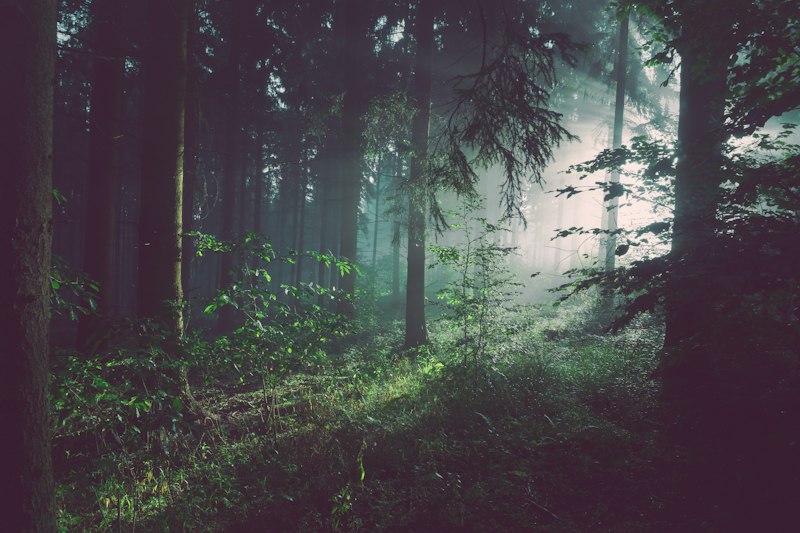
Why Roadless Forests Are Critical for Wildlife and Water
Roadless lands are not simply empty acreage; they are the biological lungs and water towers of the Northern Rockies. When heavy machinery carves logging roads through alpine forests, the consequences are irreversible:
- Severe Habitat Fragmentation: Grizzly bears, wolverines, and lynx require expansive, roadless core areas. Scientific research shows that grizzly bear mortality increases dramatically within one mile of motorized roads.
- Sedimentation of Native Fisheries: Logging roads destabilize steep mountain grades, causing catastrophic erosion that chokes clean spawning gravels required by native cutthroat trout in the Yellowstone and Gallatin watersheds.
- Invasive Weed Incursions: Motorized vehicles transport noxious seeds into remote valleys, destroying native forage relied upon by wintering elk and deer herds.
The Crown Jewels: Custer Gallatin & Bridger Teton
Nowhere is the Roadless Rule more vital than in the national forests bordering Yellowstone National Park and Grand Teton National Park:
In the Custer Gallatin National Forest, roadless protections shield world-renowned mountain ranges, including the Absaroka-Beartooth and Madison ranges—protecting migratory corridors where herds descend toward valley floors, making projects like the Madison Valley wildlife crossing structures critically viable. In Wyoming's Bridger Teton National Forest, over 3.4 million acres of roadless lands safeguard the headwaters of the Green, Snake, and Yellowstone rivers.
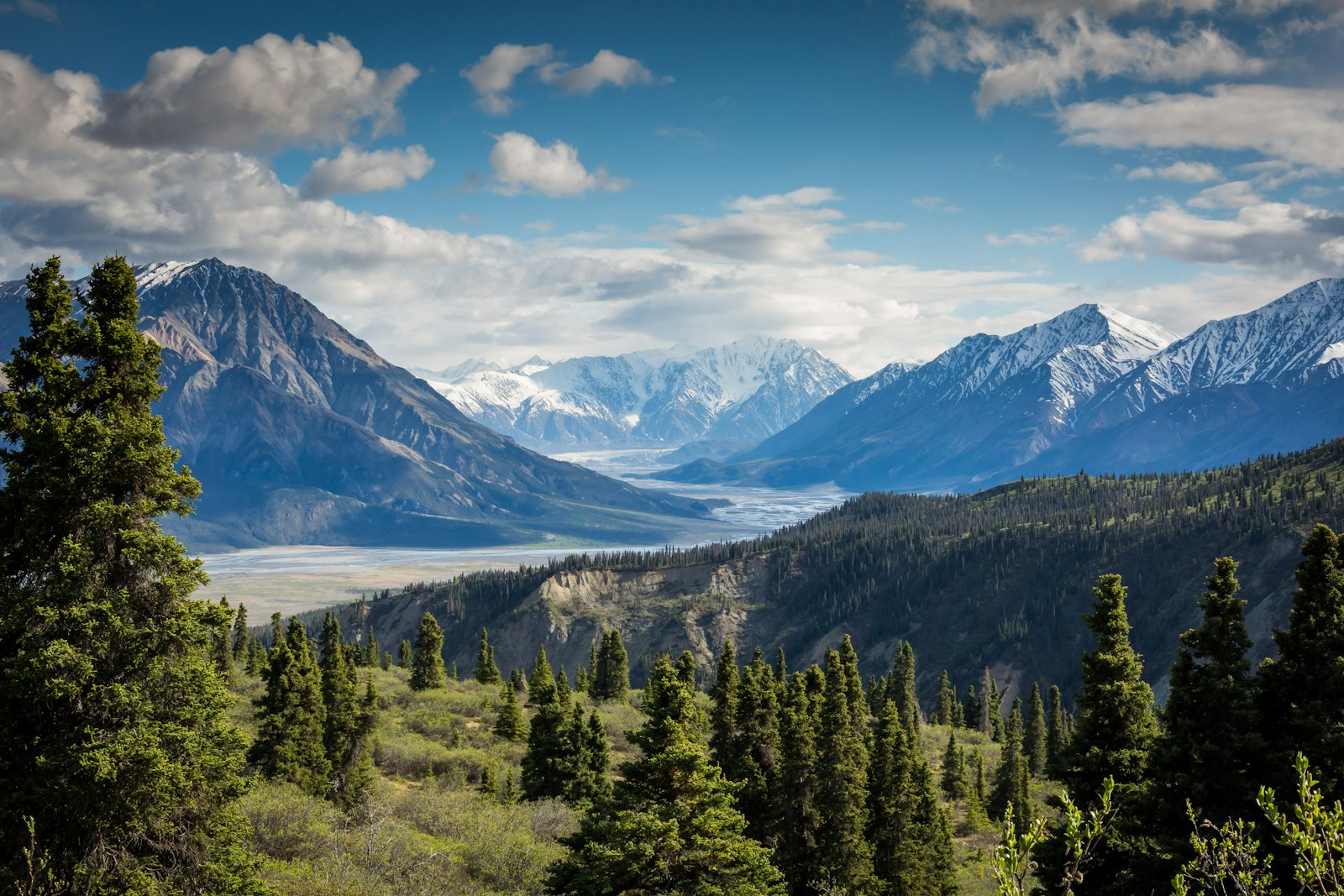
The Looming Threats: Exemptions and Rollbacks
Despite overwhelming public support—including millions of public comments favoring intact forests—extractive lobbying groups continually attempt to carve administrative exemptions or outright repeal the rule. These rollbacks aim to open sensitive alpine basins to commercial clearcuts and speculative mining exploration.
Our legal defense fund and policy experts maintain constant vigilance in federal courts and congressional hearing rooms, defending the legal integrity of the Roadless Rule against every attempt at dilution.
Climate Resilience and Our Carbon Reservoir
Intact roadless forests act as colossal carbon sinks. Old-growth subalpine fir, Engelmann spruce, and lodgepole pine store billions of metric tons of carbon in tree biomass and uncompacted soils. Keeping these forests intact is one of our most cost-effective frontline defenses against global climate change. Furthermore, these roadless expanses encompass ancestral homelands where we collaborate on Indigenous land stewardship and tribal bison restoration.
Stand with Us to Keep Public Lands Wild
Sign our national petition demanding permanent, uncompromised roadless protections across the Greater Yellowstone Region.
Sign the Roadless Petition