Between the rugged crest of the Madison Range and the rolling sagebrush foothills of the Gravelly Range, bordering adjacent roadless national forest wilderness lands in southwestern Montana, lies one of North America's most essential wildlife corridors. Here, thousands of elk, mule deer, pronghorn, and grizzly bears move seasonally across U.S. Highway 287.
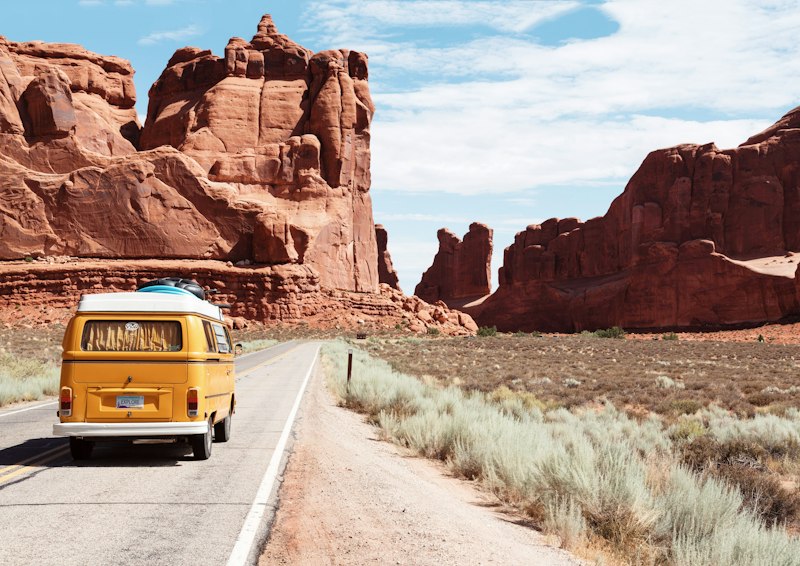
The Challenge: High-Speed Traffic Meets Ancient Migrations
U.S. Highway 287 serves as a vital economic link connecting West Yellowstone to Bozeman, Ennis, and Interstate 90. However, as commuter traffic, commercial trucking, and tourism have surged over the past decade, the roadway has emerged as a severe bottleneck and collision hotspot.
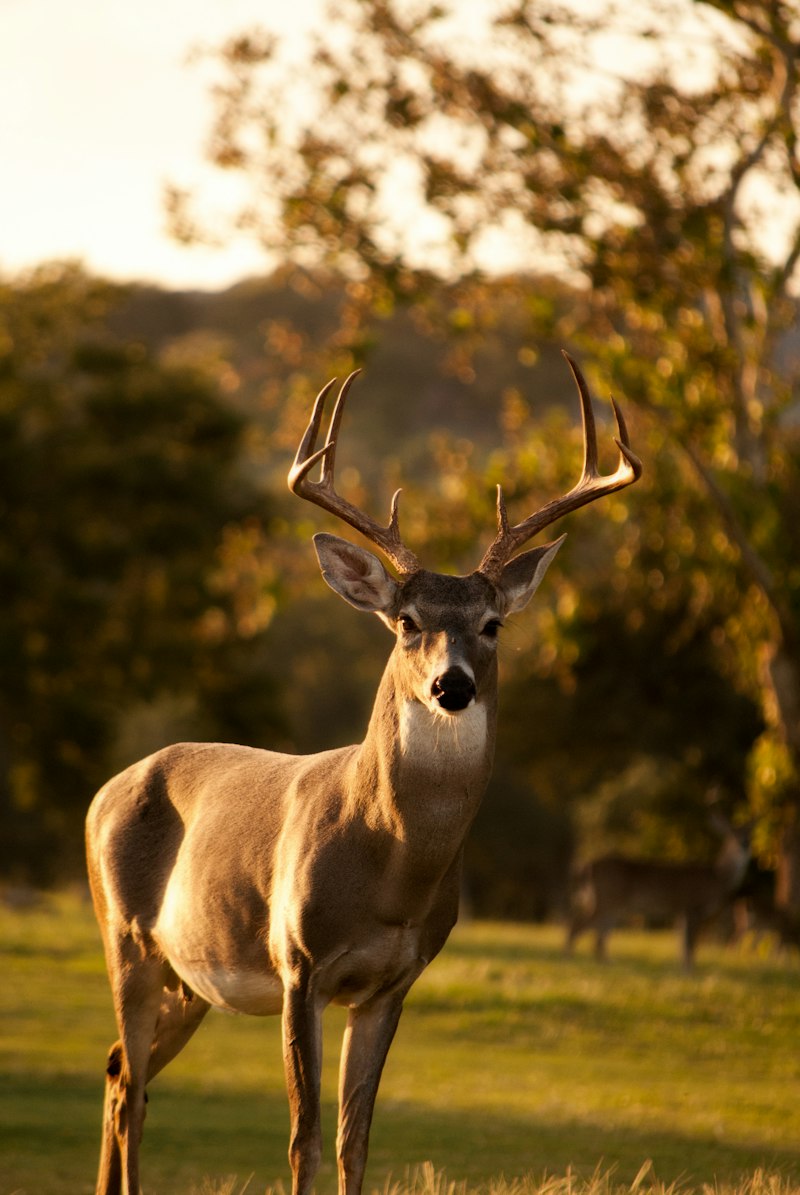
Every autumn, as mountain snows blanket high-altitude summer range, thousands of Rocky Mountain elk and mule deer descend to sheltered winter wildlife habitat in the valley bottoms, mirroring prehistoric tribal bison migrations across sovereign ranges. In attempting to cross high-speed traffic, hundreds of animals—and dozens of motorists—have been involved in catastrophic wildlife-vehicle collisions.
Community-Led Conservation: The Genesis of Madison Passages
Rather than waiting for top-down federal intervention, local community leaders took initiative. Multi-generational ranchers, sportsmen, small business owners, and conservation biologists united under a shared coalition: Madison Passages, committed to protecting both terrestrial migration paths and cold-water streams that feed the Gallatin and Madison river watersheds.
"This initiative grew out of living rooms, kitchen tables, and community halls," explains a senior wildlife biologist with the coalition. "Ranchers who have worked this soil for four generations care deeply about the wild heritage of this valley. By collaborating, we developed an action plan based on hard data and shared community values."
Proven Engineering: Overpasses, Underpasses & Directional Fencing
Rigorous GPS tracking data from Montana Fish, Wildlife & Parks identified three critical crossing pinch points along a 12-mile stretch of Highway 287. The community coalition designed a comprehensive infrastructure package:
- Wildlife Overpass Bridges: Wide, naturally vegetated bridges designed specifically for wary species like pronghorn and elk, who require expansive sightlines before crossing.
- Deep Underpass Culverts: Engineered under-road passages flanked by natural stone and soil, preferred by grizzly bears, black bears, and smaller carnivores.
- Directional Wildlife Fencing: Eight-foot-high continuous game fence that gently channels moving herds toward the safe crossing structures.
- Egress Jump-Out Ramps: Specialized earthen ramps that allow animals trapped accidentally in the road corridor to jump safely out toward open landscape.
Documented Success: Up to 90% Collision Reductions
Similar wildlife crossing projects across the western United States and Canada (such as Banff National Park and Wyoming's Trapper's Point) have demonstrated that crossing infrastructure reduces animal collisions by 85% to 92% within the first three years of installation.
Beyond saving wildlife lives, crossing projects produce immense economic savings by preventing tens of millions of dollars in vehicle damage, emergency healthcare costs, and property destruction.
How You Can Support the Madison Valley Project
Phase 1 engineering studies and environmental impact reviews have been completed, with federal matching funds secured under the Federal Highway Administration’s Wildlife Crossings Pilot Program. Now, private philanthropic match donations are needed to break ground. Explore our core Greater Yellowstone wildlife corridors and habitat conservation priorities to see how this project fits into the regional matrix.
By joining our volunteer conservation teams and donating to our dedicated infrastructure fund, you directly finance the protection of these irreplaceable corridors for future generations.
Make a Difference Today
Your contribution provides the matching dollars required to build overpasses and save thousands of migrating elk and deer.
Contribute to the Wildlife Crossing Fund