The cold, free-flowing rivers tumbling out of the Greater Yellowstone Ecosystem are the lifeblood of Montana and the West. Originating in high alpine wilderness, these rivers form the backbone of our freshwater conservation and watershed protection initiatives. Providing pristine clean drinking water to hundreds of thousands of downstream residents, supporting agricultural valleys, and harboring world-famous wild trout fisheries, these waterways now face an unprecedented cocktail of pressures.
The Crown Jewel: Yellowstone River Undammed
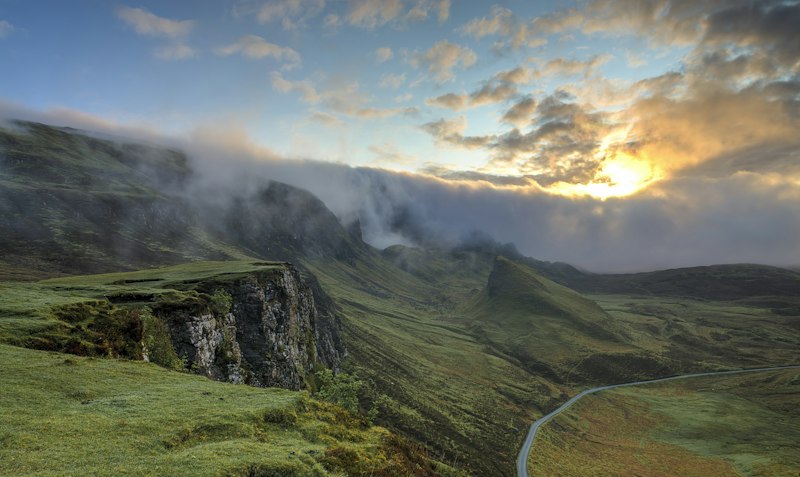
At 692 miles, the Yellowstone River is the longest undammed river in the contiguous United States. Originating in protected backcountry guarded by the Roadless Area Conservation Rule in Custer Gallatin and Bridger Teton, the Yellowstone exhibits natural spring flood pulses that carve cottonwood side channels, cleanse riverbed gravels, and sustain rich aquatic insect hatches.
However, expanding gravel mining operations, uncontrolled shoreline rip-rapping by private subdivisions, and upstream industrial threats endanger this free-flowing character. Our team monitors state permitting, enforces the Clean Water Act, and secures permanent riparian conservation easements along the river corridor.
Tackling the Gallatin River's Algal Blooms
Just over the mountain pass, the iconic Gallatin River winds through dramatic canyon limestone walls before emerging into the fertile Gallatin Valley. In recent summers, alarming blooms of neon-green nuisance algae (Cladophora) have coated the river bottom from Big Sky to Gallatin Gateway.
Our field scientists identified the root cause: elevated nitrogen and phosphorus loading entering shallow groundwater from rapid resort development, septic density, and golf course fertilization.
Saving the Native Yellowstone Cutthroat Trout
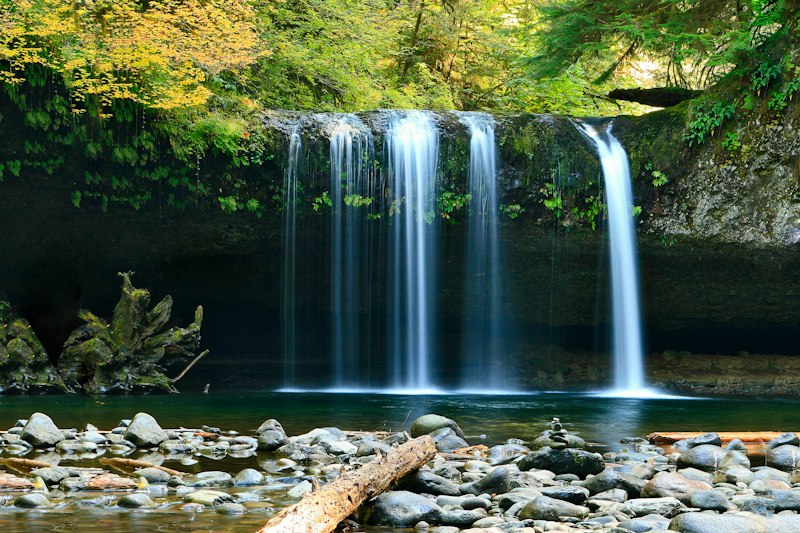
The native cutthroat trout (*Oncorhynchus clarkii*) is an essential indicator species. Where cutthroat thrive, rivers are pure; when cutthroat decline, the entire food chain—from bald eagles to river otters and grizzly bears—suffers. Riparian corridors also serve as vital seasonal travel routes where animals navigate between ranges toward highway wildlife crossing structures.
We lead active stream rehabilitation projects:
- Thermal Refuge Protection: Securing cold spring tributaries that act as vital air-conditioners for trout during scorching August heat waves.
- Fish Screen Installations: Partnering with ranchers to install screens on irrigation canals, preventing tens of thousands of juvenile trout from getting trapped in hay meadows.
- Riparian Willow Planting: Restoring deep root systems that shade the river, cool water temperatures, and eliminate soil erosion.
Ensuring Clean Drinking Water for Communities
Headwaters protection is municipal water security. Every dollar invested in keeping mountain streams pristine saves downstream municipalities millions in high-tech water treatment facilities, connecting river health with agricultural sustainability and Indigenous tribal water rights and land stewardship. We fight to keep industrial mining, toxic runoff, and untreated wastewater out of our shared public water supplies.
Join the River Defense Force
Support our water quality testing crews and legal advocacy protecting the Gallatin, Snake, and Yellowstone rivers.
Support Freshwater Conservation